



HOW TO CHOOSE THE RIGHT OVERHEAD CRANE FOR YOUR FACTORY: 5 CRITICAL FACTORS BUYERS OFTEN OVERLOOK
Overhead Crane
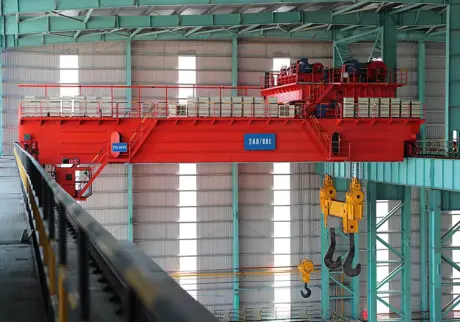
1.As factories continue to expand production and automate material handling, overhead cranes have become essential equipment in manufacturing workshops, steel fabrication plants, warehouses, and processing facilities. Market research shows that global demand for overhead cranes continues to grow, particularly across Asia-Pacific, where industrial investment and infrastructure development are driving new factory construction.
2.Yet many overhead crane projects still encounter avoidable problems after installation. Surprisingly, these issues are rarely caused by lifting capacity alone. Instead, they often stem from overlooked factors such as building clearance, duty classification, future expansion plans, and maintenance responsibilities.
3.If you're planning to invest in a new overhead crane, here are five critical factors that experienced buyers evaluate before requesting a quotation.
Start with Your Production Process, Not the Crane Specification
1.The first question many buyers ask is:
"What lifting capacity do I need?"
2.While capacity is important, it should not be the starting point.
3.A more effective approach is to analyze your production workflow first:
What materials will be handled?
How often will the crane operate?
How far will loads be transported?
Is precise positioning required?
Will production volumes increase in the future?
4.The answers to these questions often determine the most suitable crane configuration.
Real Project Example
1.A metal fabrication company in Long An Province, Vietnam, needed a lifting solution for handling steel beams and welded assemblies weighing up to 3 tons.
2. Instead of choosing a larger double girder crane, the customer selected a 5-ton electric single beam overhead crane with a 14-meter span.
3.Because the crane was matched to the actual workflow rather than simply maximizing lifting capacity, the project achieved lower installation costs, easier operation, and sufficient lifting performance for daily production.
4.Key takeaway: The best crane is not necessarily the biggest crane—it's the one that fits your production process.
The Hidden Height Problem Most Buyers Never Calculate
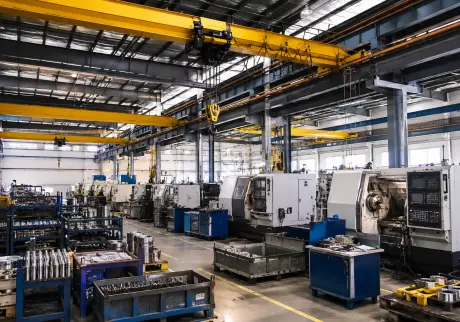
1.One of the most common mistakes in overhead crane selection is overestimating available lifting height.
2.Many buyers assume that if their workshop has a clear height of 10 meters, the crane hook can also reach close to 10 meters. In reality, several components consume valuable vertical space:
Runway beams
Rail systems
Hoist body dimensions
Safety clearances
Maintenance access space
3.These factors can significantly reduce actual hook travel.
Why This Matters
1.In factory expansion projects, insufficient lifting height often becomes apparent only after installation. At that point, modifications can be expensive and disruptive.
2.For facilities with limited building height, a low-headroom design and proper hoist selection can often provide more usable lifting height without changing the building structure.
3.Before purchasing a crane, always verify the actual hook height rather than relying solely on building dimensions.
Duty Class Can Impact Cost More Than Capacity
1.Many buyers compare cranes based only on lifting capacity.
2.However, two cranes with the same capacity can have completely different designs depending on their duty classification.

What Is Duty Class?
1.Duty class reflects:
Operating frequency
Working hours
Load spectrum
Expected service life
2.For example:
| Duty Class | Typical Application |
|---|---|
| A3 | Light workshop operations |
| A4 | General manufacturing |
| A5 | Frequent industrial handling |
| A6 | Continuous material handling |
A crane used occasionally for maintenance work has very different requirements from a crane operating every few minutes throughout an entire shift.
A Common Purchasing Mistake
1.Some buyers select a lower-duty crane simply because the lifting capacity appears sufficient. While the initial price may be lower, excessive wear on motors, brakes, and structural components can result in higher maintenance costs over time.
2.When requesting quotations, always provide information about expected daily operating cycles—not just maximum load weight.

Plan for Future Expansion Before You Need It
1.Many factories purchase cranes based only on today's requirements.
2.Three years later, production increases, heavier products are introduced, and the original crane becomes a bottleneck.
3.Upgrading an existing crane system is often far more expensive than planning ahead during the initial purchase.
A Practical Approach
1.Rather than oversizing equipment, consider reasonable allowances for future growth:
Additional production lines
Increased lifting frequency
Larger workpieces
Workshop expansion
Automation upgrades
2.Many experienced engineers recommend maintaining approximately 15–20% capacity flexibility where future growth is anticipated.
3.This strategy can help avoid costly modifications later in the crane's service life.
Don't Ignore Maintenance, Inspection, and Service Support
1.Most crane selection guides focus heavily on technical specifications while overlooking what happens after installation.
2.Yet long-term support often has a greater impact on ownership costs than the purchase price itself.
3.Before selecting a supplier, ask:
Who will handle commissioning?
Are installation services available locally?
How quickly can spare parts be supplied?
Is technical support available after delivery?
-
Who is responsible for periodic inspections?
Why It Matters
1.In many countries, overhead cranes must undergo routine inspections to comply with local regulations and safety requirements.
2.Buyers who fail to clarify these responsibilities during the procurement stage often face unexpected costs and project delays later.
3.Choosing a supplier with strong technical support and reliable spare parts availability can significantly reduce downtime throughout the crane's operating life.
Overhead Crane Selection Checklist
Before requesting a quotation, make sure you have the following information:
✔ Maximum load weight
✔ Required lifting height
✔ Building dimensions
✔ Span requirements
✔ Daily operating frequency
✔ Duty class requirements
✔ Future expansion plans
✔ Preferred control method
✔ Local power supply specifications
✔ Installation and maintenance responsibilities
Providing complete project information allows suppliers to recommend a crane solution that matches both your current production needs and long-term operational goals.
Final Thoughts
1.Selecting an overhead crane is about much more than lifting capacity and price. While these factors are important, experienced buyers also evaluate building clearance, duty classification, future growth requirements, and long-term maintenance considerations.
2.By addressing these often-overlooked factors early in the planning process, manufacturers can improve productivity, reduce lifecycle costs, and avoid expensive modifications after installation.
3.Whether you're building a new facility or upgrading an existing workshop, investing time in proper overhead crane selection will help ensure reliable and efficient material handling for years to come.
HENAN YUNTIAN CRANE CO., LTD.
Email:sales@sgycranes.com
Website: [https://yuntiancrane.com/]
Whatsapp:+86-17337353108


