



🌊 MARINE CRANE MARKET TRENDS 2026: OFFSHORE, PORTS & SHIPYARD GROWTH DRIVERS
As global maritime trade continues to expand, marine cranes have become essential lifting equipment in ports, shipyards, and offshore engineering projects. From container handling in major harbors to heavy-duty lifting on offshore vessels, the demand for reliable marine crane systems is steadily increasing.
Industry data shows that maritime infrastructure investment in Asia, the Middle East, and Africa is driving a new wave of equipment upgrades, especially for corrosion-resistant and high-efficiency lifting solutions.
🌍 1. Global Marine Crane Market Overview
The marine crane industry is entering a stable growth phase, supported by:
Expansion of global shipping and port logistics
Increasing offshore oil & gas activities
Shipyard modernization projects
Growth in offshore wind power installations
Compared with traditional industrial cranes, marine cranes must operate in high-salinity, high-humidity, and constantly moving environments, which places higher demands on structure, safety, and corrosion protection.
Today, Asia-Pacific remains the fastest-growing region, followed by the Middle East and Africa, where port infrastructure investments are accelerating.
⚙️ 2. Key Drivers Behind Market Growth
2.1 Port Expansion and Container Handling Demand
Major ports are upgrading handling systems to improve loading efficiency and reduce vessel turnaround time. Marine cranes are widely used for:
Bulk cargo handling
Port maintenance operations
Offshore supply logistics
2.2 Offshore Oil & Gas Projects
Offshore platforms require cranes capable of:
Heavy lifting under dynamic conditions
Corrosion resistance in saltwater environments
Continuous operation with high duty cycles
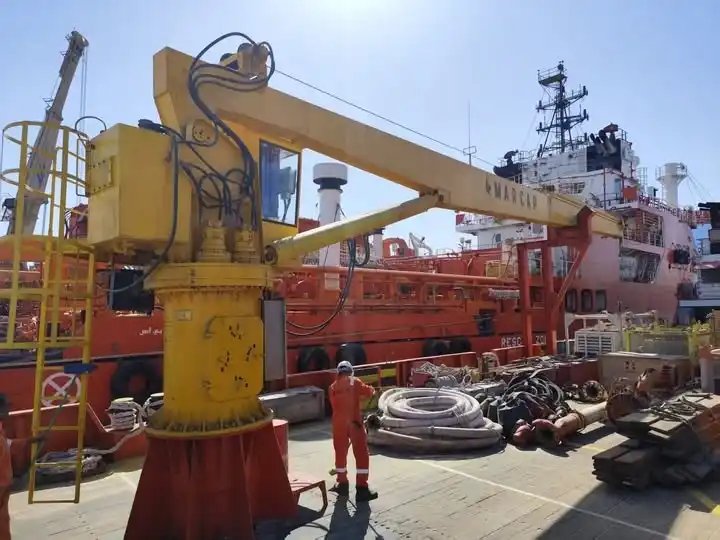
Knuckle boom cranes and offshore pedestal cranes are widely adopted in this sector.
2.3 Shipyard Modernization
Shipbuilding yards increasingly require:
Precise lifting for hull sections
High-capacity deck cranes
Automated and remote-controlled systems
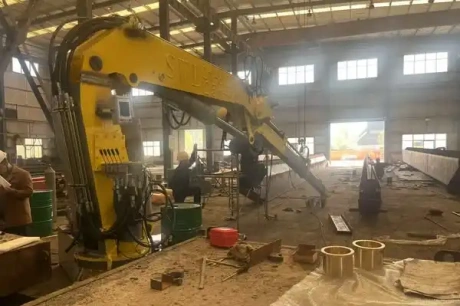
Many shipyards are replacing hydraulic systems with electric-driven marine cranes to reduce maintenance costs.
2.4 Offshore Wind Energy Growth
Offshore wind farms require specialized lifting equipment for:
Turbine installation
Maintenance operations
Component transfer between vessels
This segment is becoming one of the fastest-growing applications for marine cranes globally.
🌏 3. Regional Market Trends
Asia-Pacific
Largest shipbuilding region globally
Strong demand from China, Indonesia, Vietnam, India
Rapid port expansion projects
👉 Key trend: cost-efficient electric marine cranes replacing older hydraulic systems
Middle East
Oil & gas offshore platforms dominate demand
High requirement for heavy-duty and explosion-proof designs
Strong preference for customized lifting solutions
Africa
Fast-growing port infrastructure
Heavy investment in logistics corridors
Increasing adoption of Chinese-made marine cranes due to cost advantage
Latin America
Growing mining-export ports
Shipyard upgrades in Brazil, Chile, and Mexico
-
Demand driven by bulk cargo handling
⚓ 4. Main Types of Marine Cranes in Demand
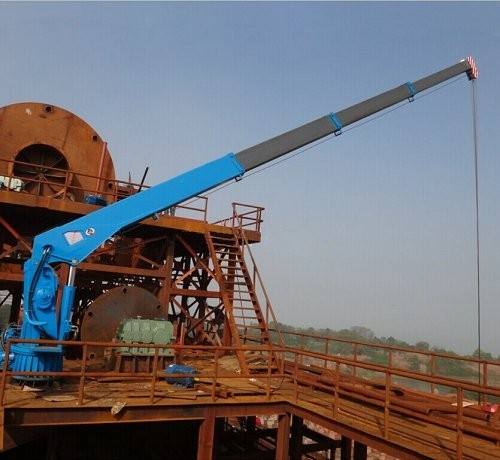
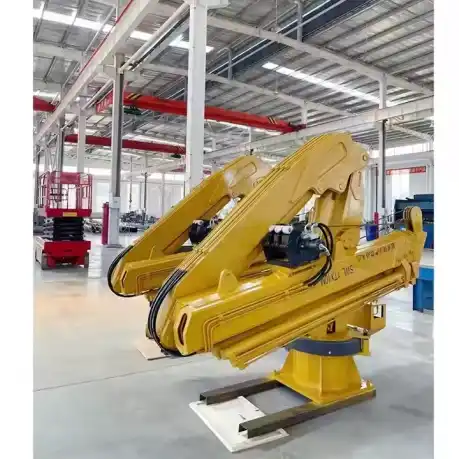
✔ Knuckle Boom Crane
operation
Widely used on offshore vessels
Compact folding structure
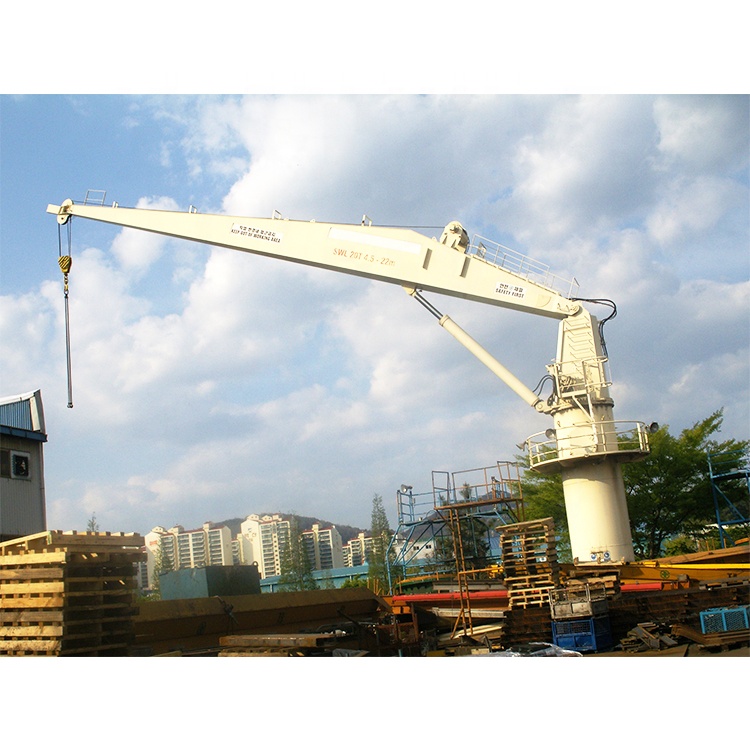
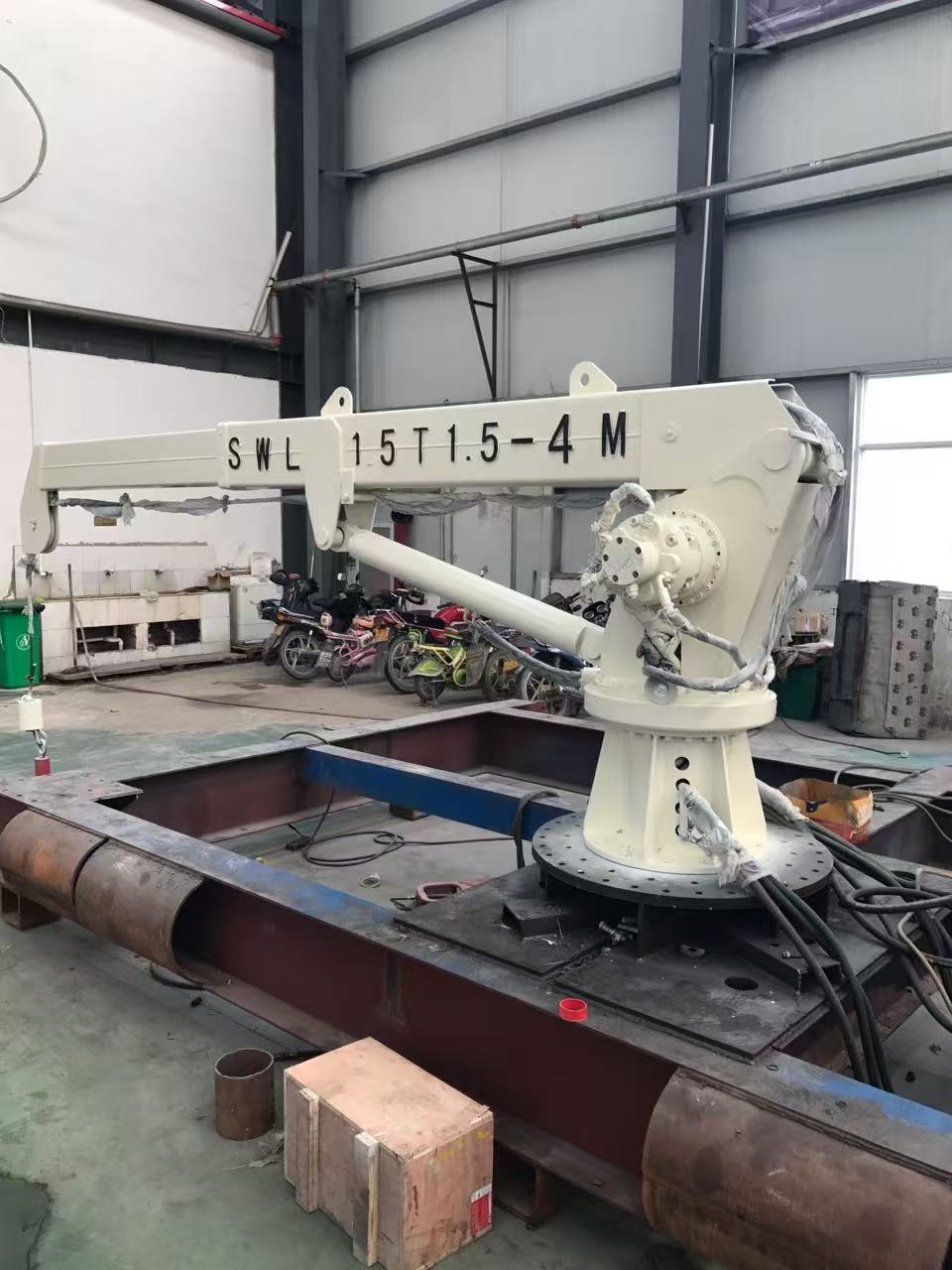
✔ Stiff Boom Crane
Heavy-duty lifting
Common in shipyards and ports
High stability and long outreach
✔ Offshore Cranes
Designed for harsh marine environments
High safety factor and redundancy systems
Used on oil rigs and platforms
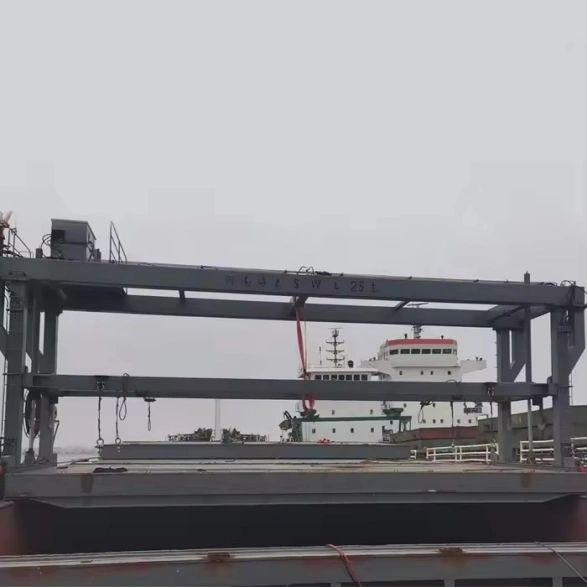
✔ Ship Deck Cranes
Installed on vessels for cargo handling
Corrosion-resistant coating systems
Remote control operation increasingly common
🛡️ 5. Key Purchasing Trends (2026 Update)
Modern buyers are no longer focused only on lifting capacity. The decision-making process now includes:
✔ Corrosion Protection Level
C5-M marine-grade coating is becoming a standard requirement.
✔ Control System Upgrade
Wireless remote control
PLC integrated monitoring
Variable frequency drive (VFD)
✔ Safety Redundancy
Load moment protection
Overload shutdown systems
Emergency braking systems
✔ Lifecycle Cost (TCO)
Operators now evaluate:
Maintenance frequency
Spare parts availability
Long-term operational cost
6. Why Buyers Choose Chinese Marine Crane Manufacturers
China remains a leading supplier in the global marine crane market due to:
Competitive pricing
Custom engineering capability
Shorter delivery cycles
Flexible OEM/ODM production
For many developing countries, Chinese suppliers offer a practical balance between cost and performance.
🚢 7. Application Scenarios
Marine cranes are widely used in:
Port container terminals
Shipbuilding yards
Offshore oil platforms
Coastal engineering projects
Cargo vessels and bulk carriers
They are now considered a core part of modern maritime logistics systems.
📈 Final Outlook
The marine crane market is expected to continue growing as global trade, offshore energy, and port modernization projects expand.
Future trends will focus on:
Electrification instead of hydraulic systems
Smart control and remote monitoring
Higher corrosion resistance standards
Modular and fast-installation designs
For buyers, selecting the right marine crane is no longer just a procurement decision—it is a long-term operational investment affecting efficiency, safety, and lifecycle cost.
HENAN YUNTIAN CRANE CO., LTD.
Email:sales@sgycranes.com
Website: [https://yuntiancrane.com/]
Whatsapp:+86-17337353108


