



2026 OVERHEAD CRANE BUYING GUIDE: PRICES, TYPES, AND SELECTION TIPS FOR INDUSTRIAL PROJECTS
What Is an Overhead Crane and How It Works
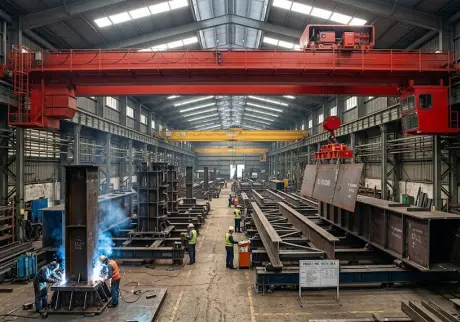
1.An overhead crane is a material handling system installed above the workshop floor, moving along runway beams to lift and transport heavy loads within a fixed area.
2.Unlike forklifts or mobile lifting equipment, overhead cranes operate in an elevated structure, which allows uninterrupted ground operations and better use of workshop space.
3.A typical system consists of three main parts:
Bridge girder (single or double beam structure)
End carriages running on runway rails
-
Electric hoist or lifting mechanism
4.In industrial production environments, overhead cranes are widely used because they provide stable lifting performance, higher safety levels, and continuous operation capability.
Main Types of Overhead Cranes in 2026
1.Single Girder Overhead Crane
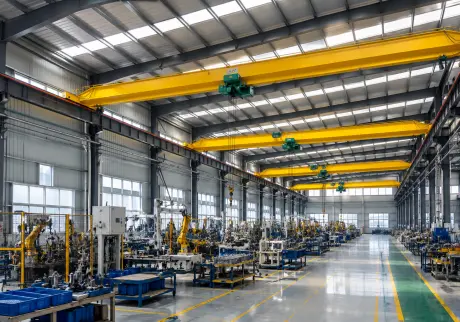
A single girder overhead crane is commonly used in light and medium-duty workshops. It features a compact structure and lower installation cost.
It is suitable for:
Machinery workshops
Warehouses
Light fabrication plants
Typical lifting capacity ranges from 1 ton to 20 tons.
2.Double Girder Overhead Crane
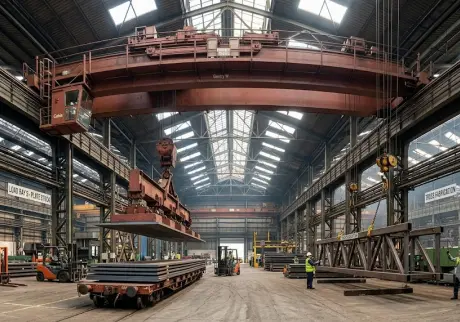
A double girder overhead crane is designed for heavy-duty industrial applications. It provides higher lifting capacity and better structural stability.
It is widely used in:
Steel mills
Foundries
Heavy manufacturing plants
Power stations
This type is suitable for continuous operation and higher working duty requirements.
3.Grab Overhead Crane
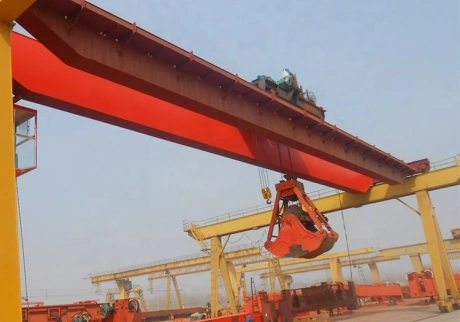
Grab cranes are designed for bulk material handling. They are equipped with a grab bucket for handling loose materials such as coal, fly ash, sand, and limestone.
They are commonly used in:
Cement plants
Power plants
Bulk storage yards
Compared with conveyor systems, grab cranes offer more flexibility in material transfer operations.
4.Electromagnetic Overhead Crane
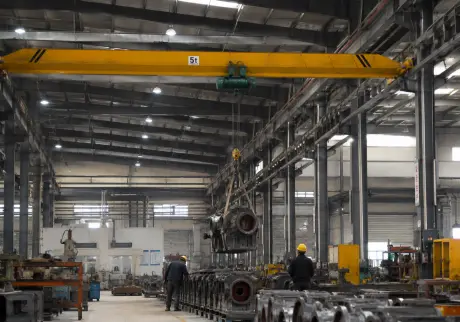
Electromagnetic cranes use a magnetic lifting device to handle ferrous materials such as steel scrap, steel plates, and billets.
Typical applications include:
Scrap recycling yards
Steel processing plants
Metallurgical workshops
They allow fast loading and unloading without mechanical gripping.
Overhead Crane Price in 2026: What Affects Cost
1.The price of an overhead crane is not fixed. It depends on technical configuration and working conditions.
2.Key factors include:
Lifting capacity
Span length
Lifting height
Duty class (A3–A7)
Control system (pendant, remote, cabin, automation)
Special lifting tools (grab, magnet, C-hook)
Installation conditions
3.In general, single girder cranes are more economical, while double girder and special-purpose cranes require higher investment.
4.For most industrial projects, customization can significantly affect the final cost.
How to Choose the Right Overhead Crane
Selecting an overhead crane should be based on actual working conditions rather than only capacity.
Material Type
Different materials require different lifting tools:
Steel components → hook system
Bulk materials → grab bucket
Steel scrap → electromagnetic system
Working Duty
Working duty determines how frequently the crane can operate:
A3–A4: light usage
A5–A6: standard industrial production
A7: heavy continuous operation
Workshop Structure
In older factories or lightweight steel structures, single girder cranes are often preferred due to lower dead weight and reduced runway load.
Automation Requirements
Modern crane systems are increasingly integrated with:
Anti-collision systems
Positioning sensors
Remote operation systems
Warehouse or terminal management systems
Overhead Crane Applications in Industry
Overhead cranes are used in a wide range of industries, including:
1.Steel Fabrication Plants
Handling beams, plates, and welded steel structures.
2.Manufacturing Workshops
Supporting assembly and machining operations.
3.Warehouses & Logistics Centers
Used for loading, unloading, and internal transfer of goods.
4.Port Terminals
Supporting container and cargo handling operations.
5.Marine & Offshore Projects
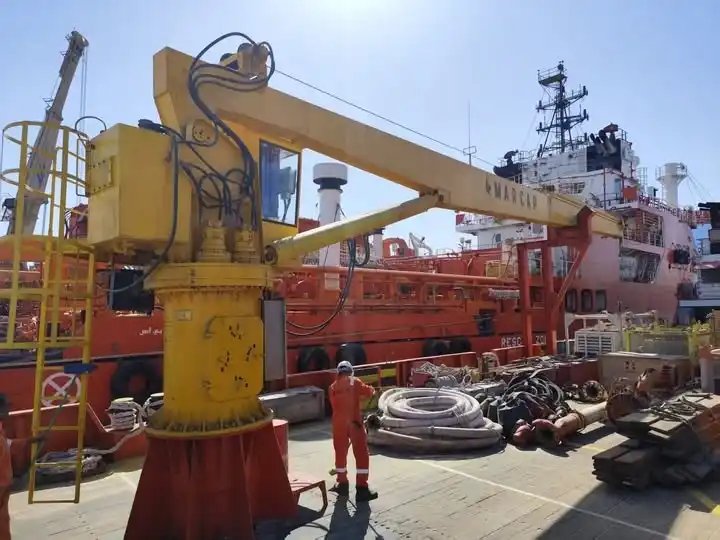
Used for equipment lifting and maintenance on vessels and platforms.
6.Bulk Material Industries
Handling coal, cement, limestone, and other loose materials.
Overhead Crane Market Trends in 2026
1.Electrification of Equipment
Many industries are replacing diesel-based systems with electric cranes to reduce operating costs and meet environmental requirements.
2.Increased Automation
Crane systems are increasingly equipped with sensors and control systems to reduce manual operation and improve safety.
3.Integrated Handling Systems
Cranes are no longer standalone equipment. They are now part of integrated logistics systems, especially in ports and large warehouses.
Final Notes for Equipment Selection
1.Choosing an overhead crane is not only a purchasing decision but also a long-term operational investment.
2.A properly selected crane improves:
Production efficiency
Workplace safety
Material handling speed
Long-term operating cost
3.For industrial projects, selecting the right configuration from the beginning helps avoid unnecessary structural modification costs and downtime later.
HENAN YUNTIAN CRANE CO., LTD.
Email:sales@sgycranes.com
Website: [https://yuntiancrane.com/]
Whatsapp:+86-17337353108


